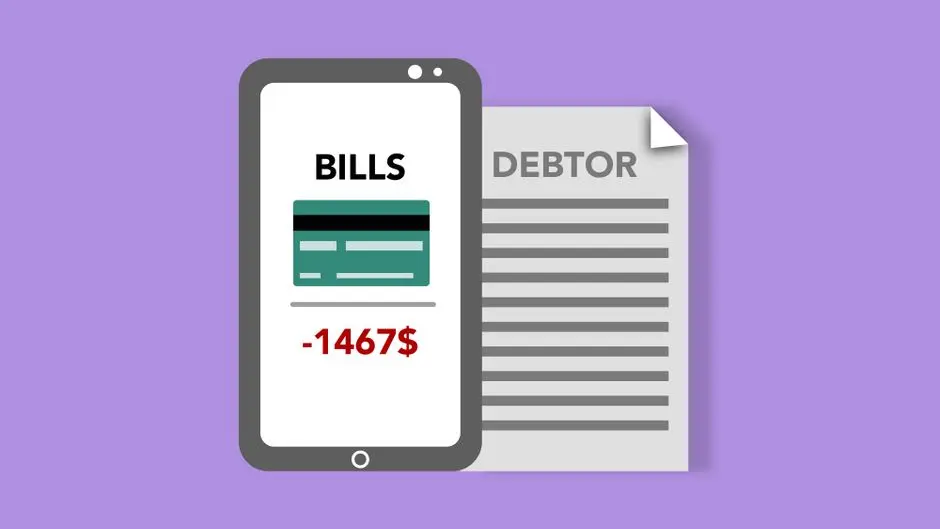
Understanding credit can be a complex endeavor, but knowing about the concept of self credit can offer a fresh perspective on your financial status. This blog will break down what self credit is and how it might influence your overall credit score.
What is Self Credit?
Self credit refers to a credit building method that allows individuals to improve their credit history through responsible financial behavior. It often involves using services or products designed to demonstrate creditworthiness to financial institutions.
In today’s financial landscape, establishing credit can be a daunting task, especially if you’re just starting out. But self credit provides a way to take matters into your own hands. By utilizing tools such as credit builder accounts, you can actively shape your credit profile without relying on traditional credit cards or loans.
How Does Self Credit Work?
Typically, self credit works by setting up a secured account that reports your financial activities to credit bureaus. As you make regular payments into this account, it shows up as positive credit behavior.
Setting up a self credit account is relatively straightforward. Many financial institutions offer secured loans or savings accounts that act as credit builders. By making timely payments, you’re not only saving money but also building a positive payment history, which is a key component of your credit score.
Curious about specific methods? A common approach involves using a service like secured credit cards or loans that require you to deposit funds upfront. This deposit acts as your credit line, minimizing the lender’s risk and providing you with a platform to prove your creditworthiness.
Can Self Credit Improve My Credit Score?
Yes, self credit can potentially improve your credit score by providing a consistent record of responsible financial management. This can help build a positive credit history, which is crucial for a good credit score.
It’s important to remember that the impact of self credit on your score depends on several factors, including your current credit standing and financial behavior. However, for many, it’s an instrumental tool in turning a low or non-existent score into a healthy credit report.
By continuously making regular payments, you’re also engaging in behavior that credit scoring models favor. This can result in a boost in your credit rating, granting you access to better financial opportunities like lower interest rates on loans and credit card approvals.
Who Should Consider Self Credit?
Anyone looking to improve their credit score, especially those with limited or no credit history, can benefit from exploring self credit options. It’s an excellent tool for beginners and those needing to demonstrate financial responsibility.
Young adults and recent graduates often make ideal candidates for self credit strategies. As they enter the workforce and plan for future financial goals like buying a home or a car, establishing a strong credit score early on can be immensely beneficial.
Even individuals who have faced financial difficulties in the past can find self credit advantageous. It serves as a stepping stone to rebuilding trust with financial institutions after periods of bankruptcy or poor credit management.
Are There Any Risks Involved?
While self credit is generally safe, it requires commitment to consistent payments. Missing payments can negatively impact your credit score, so it’s crucial to understand the obligations before starting.
One potential pitfall is the temptation to skip payments or withdraw funds from savings-associated credit builder accounts. Such actions could undo your progress and result in negative marks on your credit report.
Moreover, be wary of any service that imposes significant fees or offers unrealistic promises of dramatic credit score improvements. Always conduct thorough research to confirm that you’re engaging with reputable and transparent financial services.
Empower Your Financial Future with Self Credit
By understanding self credit, you can take control of your financial health in a new way. Incorporating these practices can not only help you build credit but also promote better financial habits. Don’t forget to explore our homepage for more resources and support in improving your credit journey.